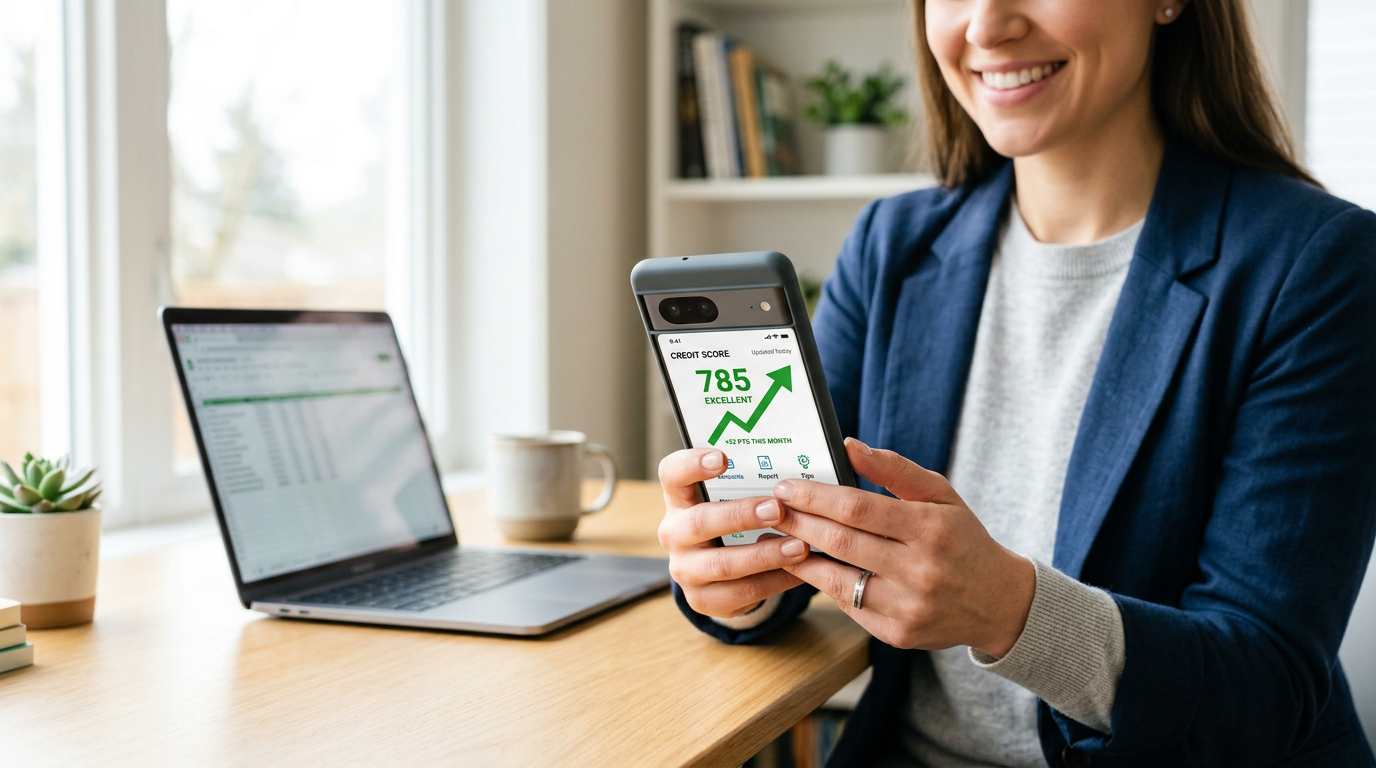
HOOK
What if one of the fastest ways to improve your credit score had nothing to do with getting a new card or closing old accounts? It’s credit card utilization—and it can matter a lot.
[B-roll: credit score app, credit card balances, person reviewing statements]
KEY POINT 1
Your utilization is the amount of revolving credit you’re using compared to your limit. If you have a $1,000 limit and carry $300, that’s 30% utilization. Lower is generally better.
[B-roll: simple math graphic showing 300/1000 = 30%]
KEY POINT 2
For credit repair, the easiest move is paying balances down before your statement closes. That’s when lenders usually report your balance to the credit bureaus, so timing can help.
[B-roll: calendar, statement due date, payment confirmation screen]
KEY POINT 3
If you can’t pay it all at once, make extra payments during the month. Even small payments can reduce the balance that gets reported and may help your score more quickly than you expect.
[B-roll: person making multiple small payments on phone]
KEY POINT 4
Also, avoid maxing out one card while another sits empty. Lenders look at both overall utilization and individual card utilization, so spread spending out when possible.
[B-roll: two credit cards with balance bars, one near maxed]
CTA
If you’re trying to repair your credit, start by checking when your cards report and pay down the balances before that date. Want more practical credit repair tips? Follow along for the next one.
[B-roll: checklist, follow button animation, credit report on screen]