If you’ve been asking whether home solar is worth it, the honest answer is: sometimes. Solar can be a smart move for some homeowners and a poor fit for others. The difference usually comes down to your roof, your electric bill, local rules, and how long you plan to stay in the home.
There’s no one-size-fits-all verdict, and that’s a good thing. The best way to think about solar is not as a miracle upgrade, but as a home investment that may lower your electricity costs over time while changing how you pay for power up front.
What “worth it” really means
When people ask if solar is worth it, they usually mean one of three things:
- Will I save money?
- Will I break even before I move?
- Is this a better use of cash than keeping my utility bill as-is?
Those are fair questions, but the answer depends on more than the sticker price. A system that looks expensive may still make sense if your electricity is pricey and you use a lot of it. A cheaper system may not be worth it if your roof is shaded, your utility offers weak solar credit, or you expect to move soon.
Plain-English version: solar is most appealing when it replaces expensive grid electricity with predictable ownership costs and your home is a good long-term fit.
The biggest factors that change the math
Before you compare quotes, it helps to know what pushes solar toward “worth it” or “not worth it.”
Your electric rates
If your utility charges a lot for power, solar has more room to help. If rates are low, the case is usually weaker. Also, if your area has rates that tend to rise over time, solar can feel more attractive because it may help you avoid some future increases.
Your roof and sun exposure
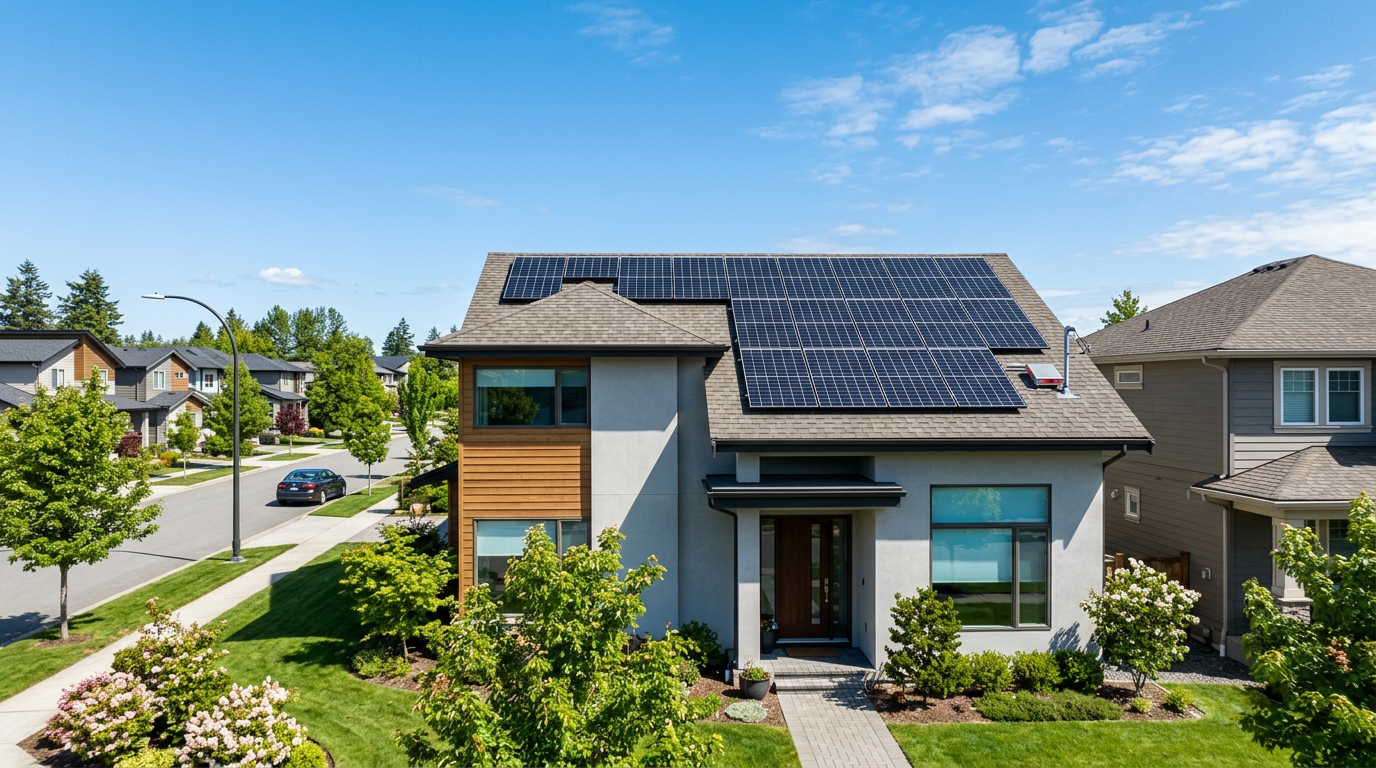
Solar generally works best on a roof with good sun, enough space, and little shade from trees or nearby buildings. Roof shape, age, and condition matter too. If you’ll need a new roof soon, it may be smarter to handle that first.
How long you plan to stay
Solar is more likely to make sense if you expect to live in the home for several years. If you may sell soon, the value proposition gets less certain because you may not stay long enough to fully benefit from the system.
Local incentives and net metering
Some states and utilities make solar more attractive through rebates, tax credits, or net metering rules that credit you for extra power sent to the grid. Others are less generous. Because policies vary widely, the same system can look very different from one ZIP code to another.
How you pay for it
Buying a system outright, financing it, or leasing it can lead to very different outcomes. Ownership usually gives you the most control and the strongest long-term upside, while leases and power purchase agreements can be simpler but may reduce the financial benefit. The right choice depends on your goals and comfort with upfront costs.
When home solar is more likely to be a good fit
Solar tends to be more compelling when several of these are true:
- Your electricity bill is consistently high.
- Your roof gets strong, direct sunlight for most of the day.
- Your roof is in good shape and has enough remaining life.
- You expect to stay in the home long enough to benefit.
- Your local utility rules are favorable to homeowners with solar.
- You want more predictable energy costs and are comfortable with the maintenance and financing setup.
If you check several of those boxes, solar deserves a closer look. If only one or two apply, it may still be worth exploring, but the case is less obvious.
When solar may not be worth it
Solar is not the right answer for every home. It may be a harder sell if:
- Your roof is heavily shaded or poorly oriented.
- You rent or don’t control the property.
- You expect to move before the system has time to pay off.
- Your utility rates are relatively low.
- Your roof needs major repairs soon.
- You’re comparing a high-pressure offer with little detail about equipment, warranties, or financing.
It’s also worth being careful if a sales pitch focuses only on monthly payment size instead of the full contract. A low monthly payment does not automatically mean a better deal.
How to judge a solar quote in plain English
When you compare offers, don’t get stuck on panel count alone. A useful quote should make it easy to see what you’re getting and how the system fits your home.
- Ask what problem the system is solving. Is it meant to offset most of your bill, or just a portion?
- Check the equipment details. Look at the panels, inverter, warranty terms, and who will handle repairs or monitoring.
- Understand the financing. Know whether you are buying, borrowing, leasing, or signing a power purchase agreement.
- Compare the assumptions. Ask how the estimate handles future utility rate changes, production levels, and maintenance.
- Review the fine print. Make sure you understand transfer rules if you sell the home and what happens if the system underperforms.
You do not need to become a solar expert. You just need enough clarity to compare offers on the same terms.
A simple way to think about the decision
If you want a quick gut check, ask yourself: Would I rather invest in reducing a bill I plan to keep paying for years, or leave my setup as-is? If your home has good sun, your rates are high, and you expect to stay put, solar may be a sensible upgrade. If not, the value may be more modest.
That doesn’t mean solar is a bad idea. It means it should be treated like any other major home purchase: compare the options, read the terms, and make sure the numbers fit your life instead of the other way around. If you’re on the fence, start by comparing a few quotes, financing structures, and installer warranties before making a final call.