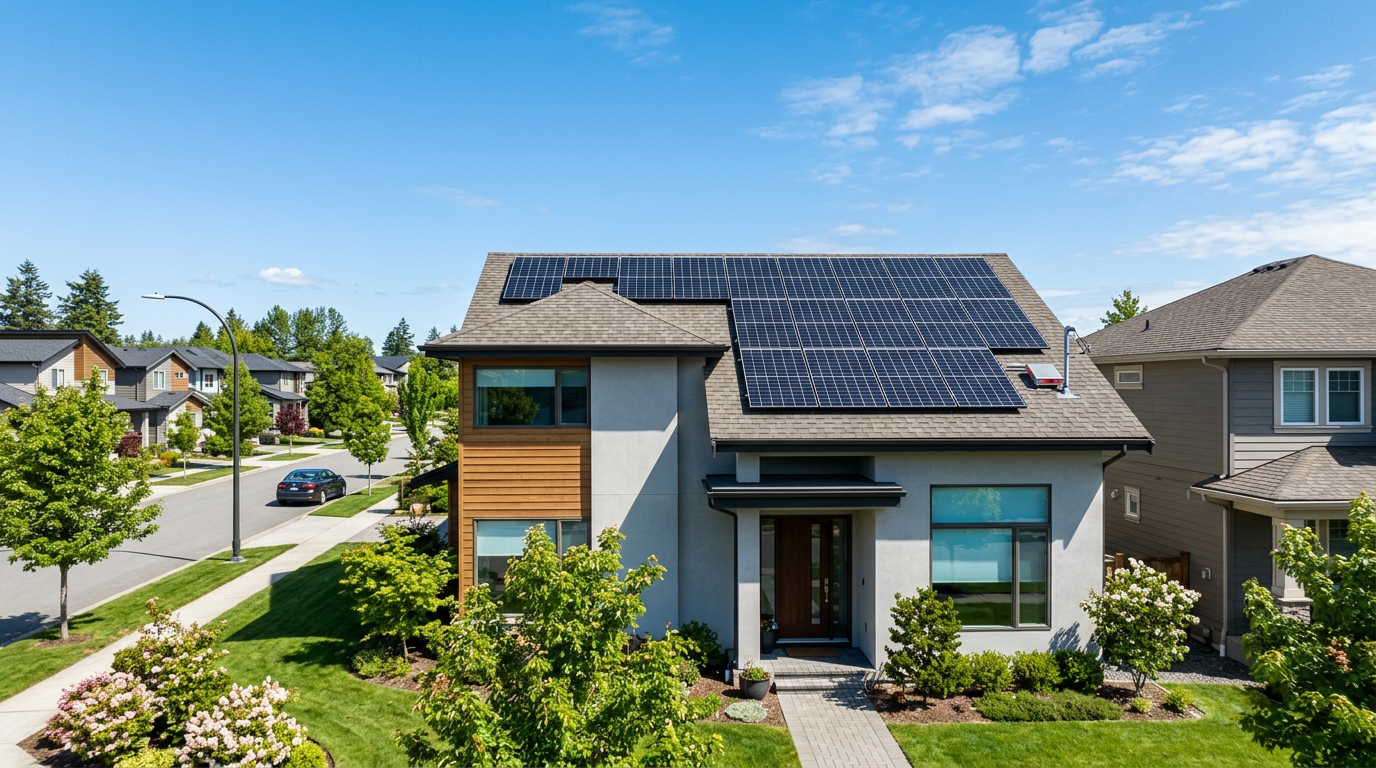
If you are shopping for home solar, the quote is only the starting point. Two proposals can look similar on price and still differ a lot in equipment quality, warranty coverage, financing terms, and what is actually included in the installation. The goal is not to find the cheapest offer on paper, but to understand what you are buying and what could change later.
What a solar quote should clearly include
A useful quote should read like a complete project summary, not a sales flyer. Before comparing totals, check whether the proposal spells out the basics in plain language.
- System size, usually in kilowatts, and the estimated annual production.
- Panel and inverter brands, plus the model names.
- Installation scope, including mounting hardware, electrical work, and roof work if needed.
- Permitting and interconnection support, so you know who handles the paperwork.
- Warranty terms for equipment, labor, and workmanship.
- Monitoring tools, if included.
- Timeline from signed agreement to installation and grid approval.
If a quote leaves out several of these details, ask for a revised version before you compare it with other bids. A lower price can be less meaningful if it omits items another installer already includes.
Look beyond the total price
Solar quotes often use a single bottom-line number, but the structure behind that number matters. Ask whether the proposal is for a cash purchase, loan, lease, or power purchase agreement. These arrangements work differently and can affect ownership, tax benefits, and long-term costs.
Cash, loan, lease, or PPA
If you buy the system outright or finance it with a loan, you usually own the equipment and may be able to benefit from available tax incentives, depending on your situation. With a lease or power purchase agreement, a third party typically owns the system, and you pay to use the power it produces. Those options can reduce upfront cost, but they also come with different contract terms and may complicate selling your home.
Tip: If a proposal focuses heavily on monthly payment instead of ownership details, pause and read the contract carefully.
Also check whether the quote assumes a specific escalator, interest rate, or fee structure. Small changes in financing terms can make two nearly identical systems behave very differently over time.
Compare equipment quality and compatibility
Not all solar panels and inverters are identical, even when the system size is the same. For homeowners, the most important question is often whether the equipment matches the roof, the local climate, and your long-term goals.
- Panel efficiency: Higher efficiency can help when roof space is limited, but it is not the only measure of quality.
- Inverter type: String inverters, microinverters, and power optimizers each have tradeoffs for shade, maintenance, and monitoring.
- Battery readiness: If you might add storage later, ask whether the system is designed to make that easier.
- Roof fit: A well-designed layout should account for vents, skylights, shade, and available space.
Ask installers why they chose those components. A good answer should connect the equipment to your roof and usage patterns, not rely on broad claims that one brand is always better.
Warranties and service matter more than many shoppers expect
Solar is a long-term home improvement, so service terms deserve close attention. A strong warranty can be meaningful only if the installer will still be around to support the system.
Questions to ask about warranties
- What is covered: panels, inverter, labor, roof penetrations, or all of the above?
- How long does each warranty last?
- Who handles claims: the manufacturer or the installer?
- Is removal and reinstallation covered if your roof needs work later?
- What happens if an installer goes out of business?
Also ask how monitoring works and who responds if production drops. Some systems include app access, but that does not always mean someone is actively tracking performance or resolving issues.
Watch for hidden costs and assumptions
Many solar surprises are not hidden in fine print so much as scattered across the proposal. Before you sign, look for items that may increase the final price or change the economics of the deal.
- Electrical upgrades, such as a panel replacement or service upgrade.
- Roof repairs needed before installation.
- Permit or engineering fees not included in the headline quote.
- Escalating monthly payments in financing contracts.
- Removal fees if the system must come off for a roof replacement.
- Production estimates that assume unusually sunny conditions or minimal shading.
Ask the installer what assumptions were used in the production estimate and whether shading, roof orientation, and local weather were considered. A realistic proposal should explain how they arrived at the numbers.
How to compare multiple quotes fairly
Once you have two or three proposals, put them side by side using the same categories. That makes it easier to see which installer is offering better value, clearer service, or more appropriate equipment.
Try comparing these items in order:
- Ownership structure and financing type
- System size and estimated production
- Equipment brands and model numbers
- Warranty coverage and service response
- Included work and excluded costs
- Permitting, interconnection, and timeline
- Contract terms and cancellation rights
If one quote is much lower, find out why. It may use less expensive equipment, exclude necessary work, or assume a more aggressive production estimate. If one is much higher, ask whether it includes better warranty terms, battery-ready equipment, or more complete roof and electrical work.
Final check before you sign
Before choosing a solar installer, read the proposal and contract together. Make sure every verbal promise appears in writing. Confirm who owns the system, who services it, and what happens if your roof, home, or utility situation changes later.
Solar can be a solid home upgrade, but the right choice depends on your roof, your usage, and the contract details. Comparing a few proposals carefully gives you a better chance of finding the best fit for your home, not just the flashiest sales pitch.