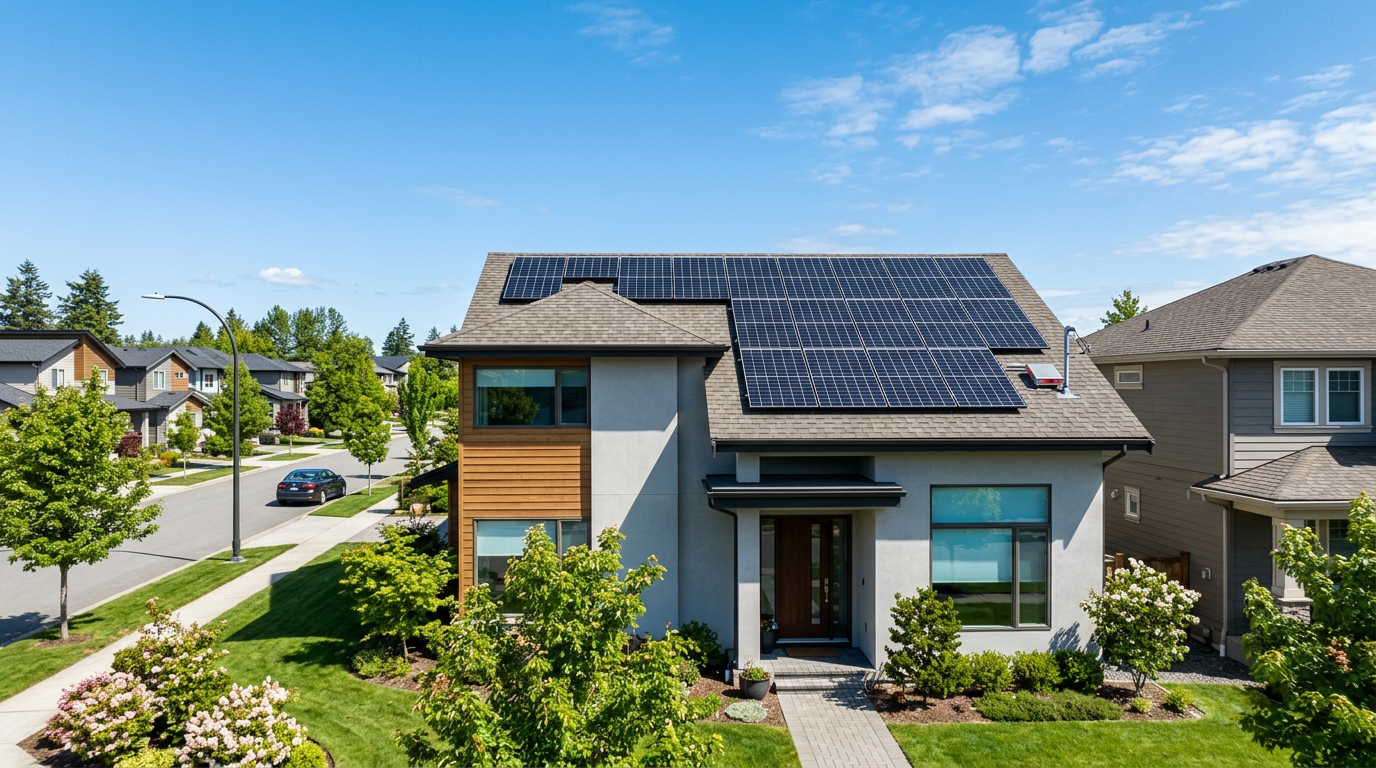
If you’re shopping for rooftop solar, one of the first decisions you’ll face is whether to lease solar panels or buy them with a loan. Both options can make solar more accessible upfront, but they work very differently once the system is on your roof. The right choice depends on how long you plan to stay in the home, whether you want to claim incentives, and how much control you want over the system.
What a solar lease actually means
With a solar lease, a third-party company owns the panels and equipment on your roof. You pay a fixed monthly amount for the right to use the system, or in some cases you pay for the electricity the panels produce through a power purchase agreement (PPA). The installer typically handles monitoring and maintenance, although the exact service terms vary.
Leases can appeal to homeowners who want solar without taking out a large loan or managing system ownership. But because you do not own the equipment, you usually also do not receive the tax credit or other owner-only incentives. Before signing, read the contract carefully to understand how annual escalators, performance guarantees, and end-of-term options work.
How a solar loan differs
A solar loan lets you finance a system you own, much like a home improvement project. You make monthly payments to a lender, but the panels are still your property. That ownership can matter because you may be able to claim available incentives, depending on your eligibility and tax situation.
Loans come in different forms, including secured and unsecured options. Some offer lower rates but may use your home as collateral, while others are easier to qualify for but may cost more over time. The payment structure also matters: a loan payment can be stable, but the total cost depends on interest, fees, and how quickly you repay it.
Key differences to compare
Instead of focusing only on the monthly payment, compare the full package. A lower payment is not always the better deal if the contract is restrictive or if you give up value you could have kept through ownership.
- Ownership: Lease = company owns the system; loan = you own it.
- Incentives: Owners may be able to claim tax credits or other benefits; lessees usually cannot.
- Maintenance: Leases often include service terms; owners usually handle repairs unless covered by a warranty.
- Roof work: A lease can complicate future roofing projects if the panels must be removed and reinstalled.
- Resale: Selling a home with leased solar may require a contract transfer or buyout process.
- Flexibility: Ownership generally gives you more control over equipment upgrades and future changes.
When a lease may make sense
A solar lease can be worth considering if your main goal is to add solar with minimal upfront commitment and you prefer predictable service from the provider. It may also appeal if you do not expect to be in the home for very long and want to avoid the responsibilities of ownership.
That said, leases deserve extra scrutiny. Read the fine print for system production assumptions, price escalators, transfer rules, and what happens if the system underperforms. A good lease should be understandable, with clear terms for maintenance and exit options.
Questions to ask before signing a lease
- Who owns the panels, inverter, and monitoring equipment?
- Does the monthly payment rise over time?
- Who handles repairs, roof leaks, or equipment replacement?
- What happens if I sell my home?
- Can I buy the system later, and if so, on what terms?
When a solar loan may be a better fit
If you want the long-term benefits of ownership, a loan is often the more straightforward path. You can usually pair ownership with the federal tax credit if you qualify, and you keep more control over how the system is maintained or upgraded. For homeowners planning to stay put for several years, ownership can be easier to understand and potentially more appealing when it comes time to sell.
Loans are not automatic winners, though. A high interest rate, short repayment term, or fees can make the system more expensive than expected. It helps to compare the loan offer against the lease using the same system size and expected output, rather than comparing only the payment amount.
Tip: Ask each provider for a side-by-side proposal that shows monthly payment, total contract cost, warranty coverage, and what happens if you move or prepay.
How to decide with confidence
Start with your priorities. If you want ownership, incentive access, and more control, a solar loan is usually the better place to begin. If you prefer a simpler monthly arrangement and are comfortable with a third-party owner, a lease may be worth a closer look. In either case, the contract matters more than the sales pitch.
Before moving forward, compare offers from multiple providers, review the warranty language, and confirm how each option affects your roof, home resale, and long-term costs. A careful comparison can help you choose the solar setup that fits your home and your plans.